

Prepare the pet with a vet check, up‑to‑date vaccinations, and a clear medication list including doses and storage needs. Choose a facility near home with qualified staff, visible safety protocols, and a clear emergency plan. Pack labeled comfort items: a washable blanket, a familiar toy pet boarding, and one unwashed item carrying home scent. Start with short practice stays and crate acclimation to ease separation. Follow the facility’s drop‑off routine for a calm handoff and learn more about each step.

Health Checks and Required Documentation
Typically, before a pet’s first boarding stay, facilities require up-to-date health checks and specific documentation to guarantee the safety of all animals in their care. Staff perform pre boarding screenings, verify vaccinations, and review medical histories pet grooming kl. An owner consultation clarifies routines, medications, and emergency contacts. This process protects communal health while respecting owners’ independence and pets’ wellbeing during temporary stays.
Choosing the Right Boarding Facility
When selecting a boarding facility, practical factors such as proximity and ease of access should be weighed alongside the pet’s routine and the owner’s ability to visit if needed. Equally important are staff qualifications and the demonstrated level of daily care, including training in animal handling and emergency response. The facility’s safety measures and cleanliness protocols must be clear and verifiable to guarantee the pet’s well‑being during the stay.
Location and Accessibility
How close is the facility, and how easy is access for regular drop-offs and emergency visits? The ideal boarding choice balances convenience and independence: clear neighborhood access, visible transit routes, and straightforward parking. Prospective owners evaluate travel time, off-peak routes, and alternative access for urgent returns. Practical proximity reduces stress, preserves owners’ freedom, and guarantees prompt responses when situations demand immediate attention.
Staff Qualifications and Care
Often, pet owners overlook how staff credentials and daily caregiving practices directly affect an animal’s comfort and safety during a boarding stay. Staff with experienced handlers and training provide calm supervision and clear routines; ask about behavioral assessments and emergency protocols.
- Vet or tech oversight
- Certified trainers or experienced handlers
- Routine care schedules
- Communication and updates
- Emergency response plans
Facility Safety and Cleanliness
Before choosing a boarding facility, pet owners should evaluate safety and cleanliness standards that directly affect animal health and well‑being. Inspect cleaning protocols, disinfectant use, and enclosure maintenance. Verify staff enforce vaccination records, pest control, and secure escapes prevention. Ask about air filtration systems and ventilation, emergency procedures, and separation of sick animals. Prioritize transparent policies that respect the pet’s comfort and owner’s freedom.
Preparing Familiar Items and Comforts
Including a pet’s favorite blanket and a few well-worn toys can provide immediate comfort and reduce stress during a boarding stay. Adding a small item that carries home scents — an unwashed shirt or a pillowcase — helps maintain familiar smells and supports emotional calm. Staff should be given clear labels and brief instructions for handling these items to guarantee they are used effectively and returned.
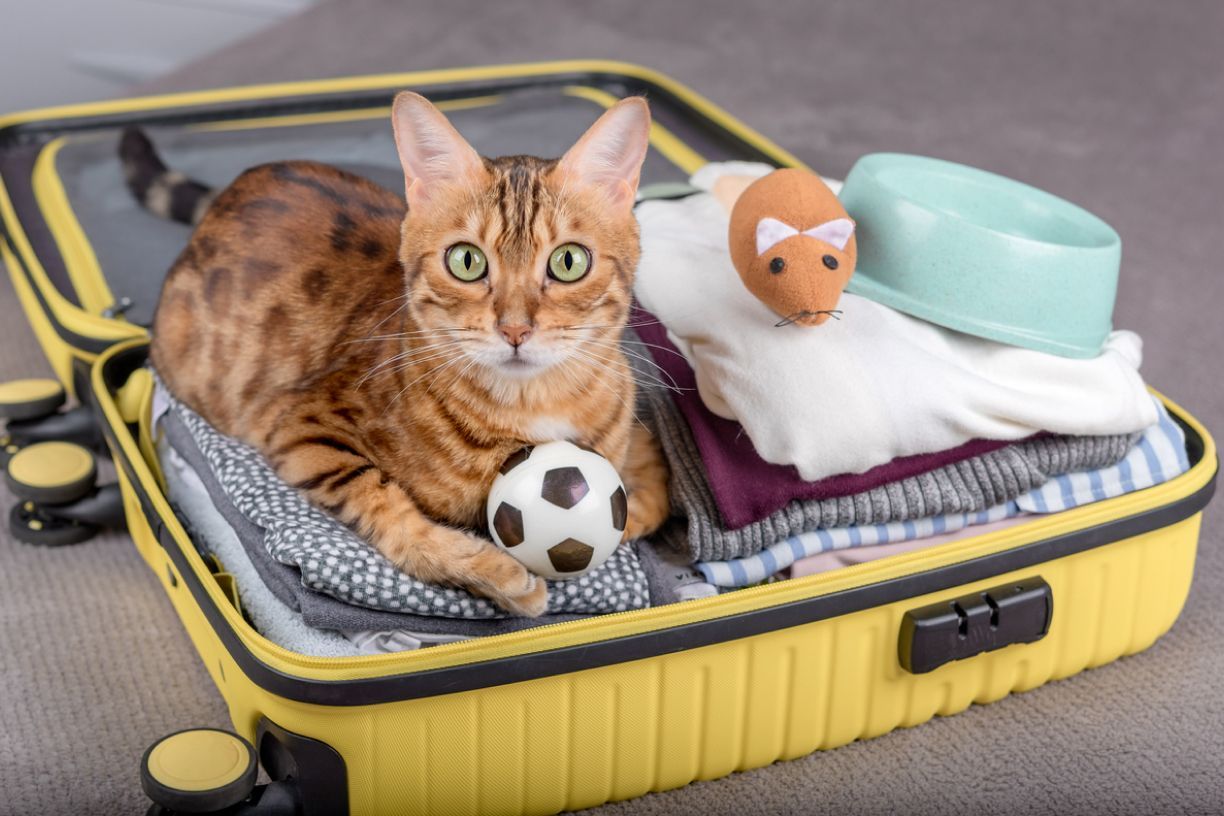
Favorite Blankets and Toys
With a familiar blanket or favorite toy packed, a pet gains tangible reminders of home that reduce anxiety and ease the shift into boarding. The caretaker selects durable, washable items that comfort without clutter. Offer choices to preserve independence and calm.
- soft chewables for soothing
- a worn blanket
- compact plush toy
- interactive puzzles for stimulation
- lightweight leash
Scented Items From Home
By placing a small, scented item from home—such as an unwashed t-shirt or a pillowcase—near the pet’s bedding, caregivers provide a powerful, calming cue that helps reduce stress during boarding. Staff recommend a simple laundry swap: send one recently worn item carrying the familiar scent. This practical measure comforts the animal, eases adjustment, and supports confident, independent boarding experiences.
Vaccinations, Medications, and Flea/Tick Prevention
Ensuring up-to-date vaccinations, consistent medication routines, and effective flea/tick prevention is essential for a safe and healthy boarding stay. Clear documentation empowers caregivers; vaccine scheduling and medication storage instructions should accompany pets. Recommendations protect all guests and uphold freedom to travel confidently.
- Provide vaccination records
- List medications and doses
- Specify storage needs
- Confirm flea/tick treatment
- Include veterinarian contact
Practice Stays and Separation Training
How should a pet and caregiver prepare emotionally and practically for a first boarding stay? Caregivers should build confidence through short practice stays, increasing duration and freedom gradually. Implement crate acclimation calmly, pairing the crate with rewards. Simulate scheduled departures to reduce anxiety, leaving briefly and returning predictably. Consistent routines and positive reinforcement foster resilience, autonomy, and a smoother adjustment for both pet and caregiver.
Drop-Off Day: What to Expect and How to Say Goodbye
Although farewells can feel difficult, a calm, structured drop-off sets the tone for a successful stay. The caregiver follows the facility’s arrival routine, provides clear instructions, and offers emotional closure without prolonging hesitation. The pet is given a brief reassuring interaction, paperwork completed, and comfort items secured.
- Quick check-in
- Clear handoff
- Comfort item placement
- Staff reassurance
- Departure confidence
Frequently Asked Questions
Can They Be Walked or Exercised Off-Leash During Their Stay?
Yes. The facility enforces clear off leash policies; dogs may enjoy supervised playtime in secure areas when temperament, training, and vaccinations permit. Staff prioritizes safety, freedom, and responsibility, balancing autonomy with careful oversight.
Will My Pet Be Socialized With Other Animals?
Yes — the facility offers group play and supervised introductions; staff assess temperament, consent, and comfort, facilitating controlled socialization so each pet enjoys freedom to engage safely, with adjustments made when animals prefer minimal interaction.
Do You Provide Photos or Video Updates While They’re Boarded?
Yes — the facility provides daily photos and live video updates; staff reassure owners with timely, respectful communication, ensuring pets’ well-being is visible and owners retain freedom and peace of mind while appointments or travel proceed uninterrupted.
Can Special Dietary Preparations (Raw, Homemade) Be Accommodated?
Yes — the facility usually accommodates raw feeding and homemade diets; staff document ingredients, refrigeration, and feeding protocols, respecting owners’ choices while ensuring safety, clear instructions, and contingency plans to protect animal health and routines.
What Happens if My Pet Shows Signs of Anxiety or Aggression?
If a pet shows anxiety or aggression, staff assess behavior, implement behavioral training strategies, and may consult the owner for medication management; care remains respectful and autonomy-focused, ensuring safety while preserving the pet’s comfort and dignity.
Conclusion
Preparing a pet for a first boarding stay requires careful planning, and when owners follow health checks, documentation, and facility selection guidance, pets face the experience with far less stress. Including familiar items, up-to-date vaccinations, and clear medication instructions protects animal welfare while practice stays and separation training build confidence. On drop-off day, clear communication with staff and a calm farewell help pets shift smoothly. Thoughtful preparation fosters safety, comfort, and trust.